
10 food ideas for iron-rich baby meals
Iron is one nutrient to keep in mind once solids begin. Here are ten food ideas to rotate, plus a few simple pairings and habits that can help.

Every baby's iron needs are a little different. They depend partly on whether a baby gets breast milk, formula or both, and babies born early may have different needs. The CDC's guidance on iron for infants notes that standard iron-fortified infant formula meets iron needs in the first 12 months, and that families of breastfed babies should ask a healthcare provider about iron supplements before 6 months. Talk to your baby's healthcare provider about their individual needs. Once solids begin, include foods that contain iron.
Fruit and vegetables are great to offer, and it also helps to include foods that contain iron, such as meat, poultry, fish, iron-fortified cereals, tofu, beans, lentils and some green vegetables (CDC: iron for infants). The ideas below are ingredients to rotate, not a guarantee of how much iron any baby gets. Any food can cause choking, so offer a size, shape and texture that suits your baby, keep them upright, stay close, and let them take the food and set the pace (NHS (UK): preparing food safely).
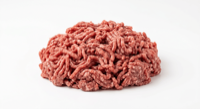 Ground beef
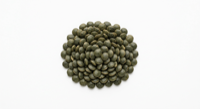 Lentils
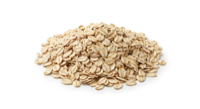 Fortified oats
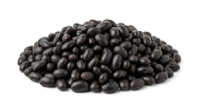 Black beans
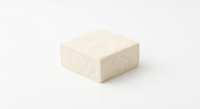 Tofu
Tofu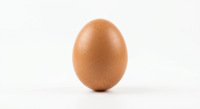 Eggs
Eggs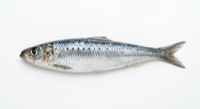 Sardines
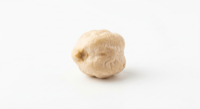 Chickpeas
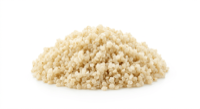 Quinoa
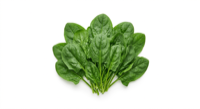 Spinach
Iron-containing food ideas
- 1. Ground beef (and dark poultry). Meat and poultry contain heme iron as well as nonheme iron (NIH iron fact sheet). Cook it thoroughly and offer it soft — for example, crumbled into a purée or as a tender meatball sized and shaped to suit your baby's eating skills.
- 2. Red lentils. Simmer until soft, then mash or blend to a texture that suits your baby. The CDC lists beans and lentils among iron sources.
- 3. Iron-fortified oats. Choose an oat cereal labelled as iron-fortified and prepare it following the package instructions. You can stir in a fruit purée if you like (see the pairings below).
- 4. Black beans. Cook until soft, then mash with a fork, thin with a little cooking water, or serve them soft and squished flat for self-feeders.
- 5. Tofu. Tofu is one of the iron-containing foods the CDC lists. Serve it soft, cooking firmer tofu to soften it first (NHS (UK) food-safety advice), and cut it to a size and shape that suits your baby. It also drinks up whatever sauce the family dinner is wearing.
The strong supporting cast
- 6. Eggs. Hard-cooked and mashed, egg can add variety alongside other iron-containing foods. Serve it in a texture that suits your baby's eating skills.
- 7. Sardines. Fish is among the iron sources listed by the CDC. Remove all bones before serving, as the NHS (UK) advises for fish, then mash or flake the sardines into a soft texture that suits your baby.
- 8. Chickpeas. Like other beans, chickpeas contain iron (CDC). Hummus thinned to a smooth dip is one option; whole chickpeas are firm, so cook them soft and squish them before serving (NHS (UK) food-safety advice).
- 9. Quinoa. Cooked soft, it mixes easily with beans, lentils or meat, and its texture gives babies something new to explore.
- 10. Spinach. The NIH lists spinach among foods that contain iron. Cook it until soft, chop it finely and stir it into lentils, eggs or beef dishes.
Pairings to try
- Add vitamin C to plant iron. Vitamin C helps the body absorb iron from plant foods (CDC; NIH iron fact sheet). Simple pairings include strawberries with oatmeal, tomato in a lentil dahl, or bell pepper cooked into a bean dish. Browse our recipes for meal ideas.
- Keep milk in its lane. The CDC's guidance on cow's milk advises against offering it as a drink before 12 months; breast milk or infant formula remains your baby's main milk. Ask your baby's doctor or nurse about individual feeding questions.
- Aim for variety, not perfection. Not every meal needs to centre on iron. Offering iron-containing foods regularly and varying the menu is a sensible habit, but it can't confirm your baby is getting enough — talk to your baby's healthcare provider about their individual iron needs.
Babies don't need perfect plates. They need repeated, relaxed chances to explore the right foods.



This article is for general educational purposes only and is not a substitute for professional medical or dietary advice. If you have questions about your baby's iron needs or growth, talk to your pediatrician or another health professional, who can assess your baby and decide whether any tests are needed — iron status isn't something to judge at home.

