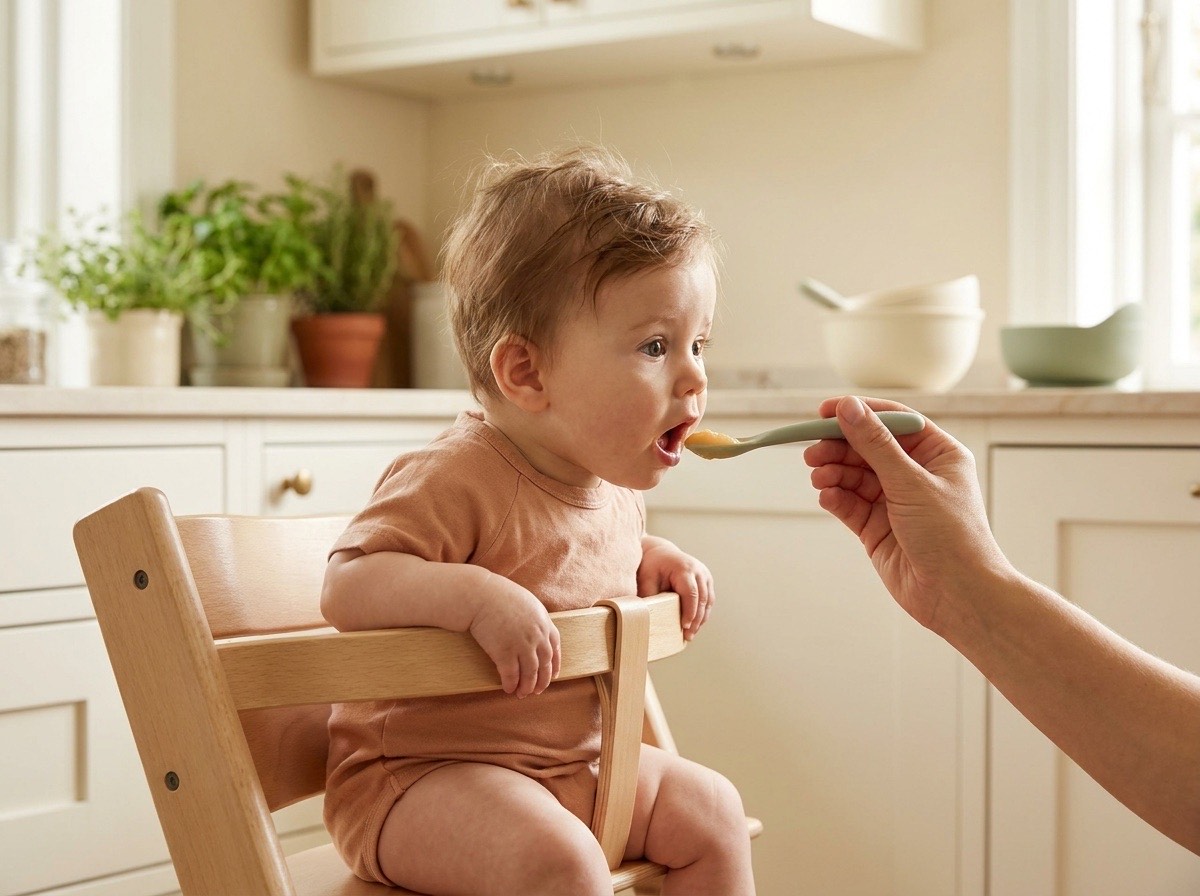
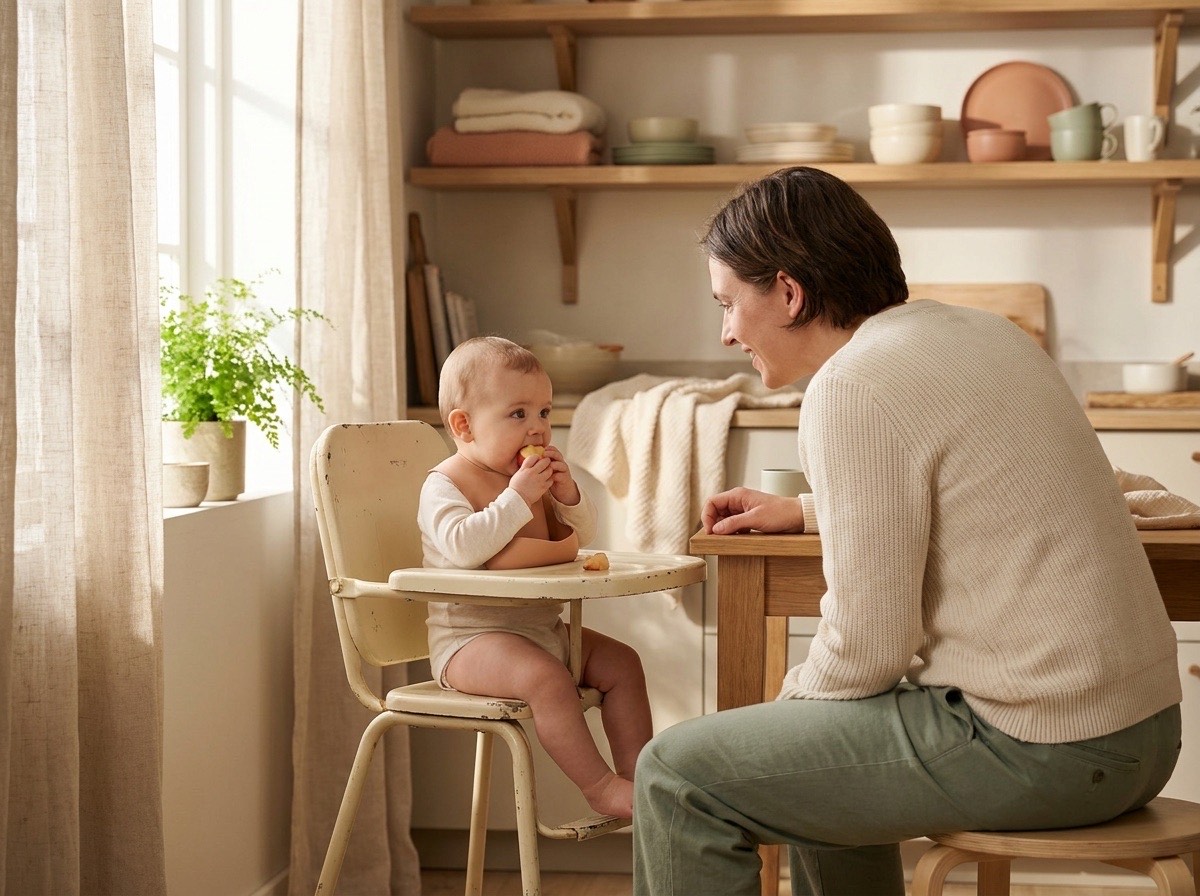
Why Soft Food Matters for Infant Safety
Learn why soft food matters for infant safety. Discover how proper texture helps prevent choking during your baby's transition to solids.
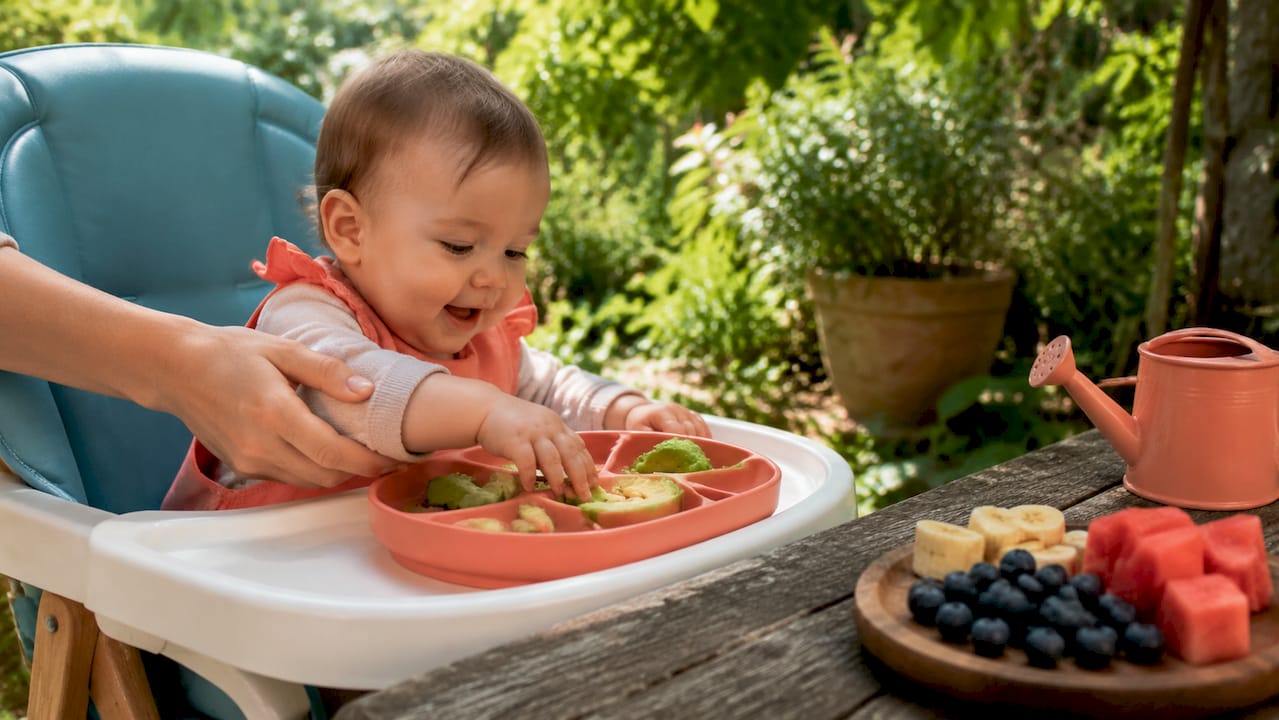
Soft food texture is the single most controllable factor in infant choking prevention during the transition to solid foods. The American Academy of Pediatrics and the CDC both identify food size and texture as primary choking risk variables for babies aged 6–12 months. Getting this right does not require a culinary degree. It requires knowing which textures are safe, when to introduce them, and how to serve them correctly. That is exactly why soft food matters for infant safety, and why the guidance below is worth reading before your baby’s next meal.
Why soft food matters for infant safety: the core risk explained
Choking is a leading cause of injury in infants, and the most common trigger is food that is too hard, too large, or the wrong shape. CDC guidance recommends cutting all infant food pieces to no larger than 0.5 inches and soft enough to mash easily between two fingers. That standard exists because a baby’s airway is roughly the diameter of a drinking straw. Even a small piece of firm food can become a complete obstruction.
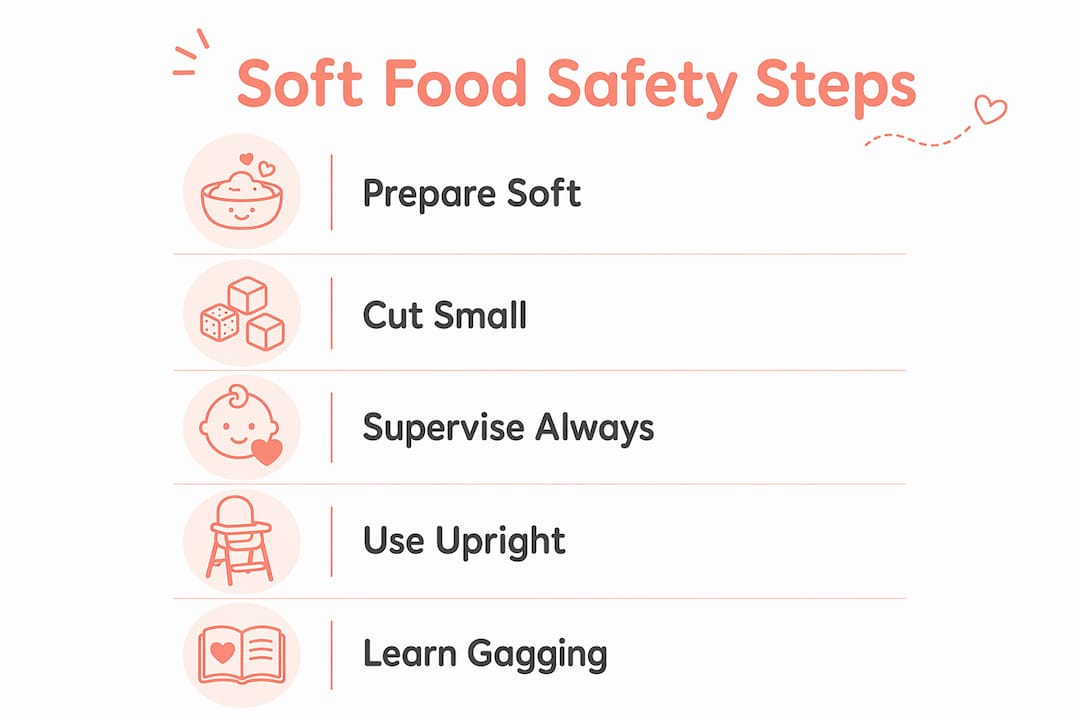
Many new parents confuse gagging with choking, and that confusion causes real anxiety. Gagging is a normal reflex that moves food forward in the mouth. It is loud, dramatic, and completely different from choking, which is silent and involves a blocked airway. Gagging actually decreases over the weeks after starting solids as your baby practices eating. Recognizing the difference lowers caregiver stress without lowering caregiver vigilance.
The feeding environment matters just as much as the food itself. Upright seating and active supervision during every meal reduce mechanical choking risk significantly. Feeding a baby in a car seat, stroller, or while they are reclining increases the chance that food will slide toward the airway before they can manage it. A high chair with a footrest, positioned at the table, is the standard recommendation.
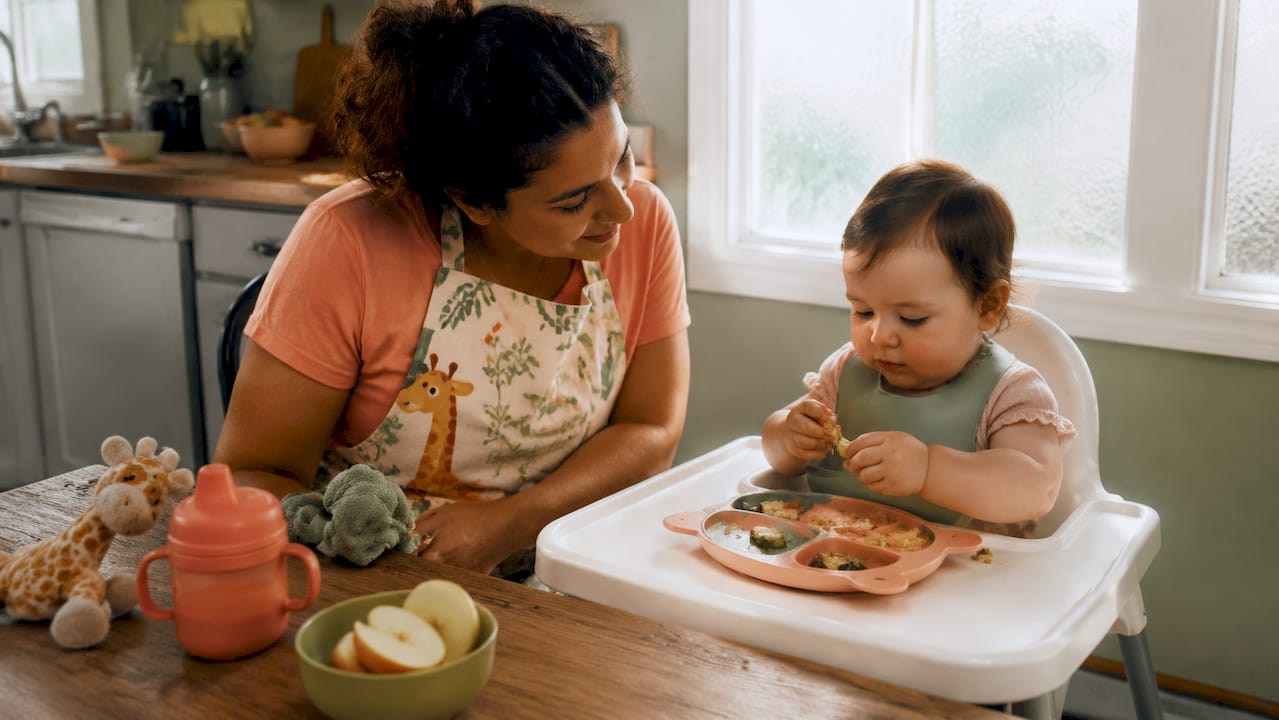
Pro Tip: Test food softness before serving by pressing a piece between your thumb and index finger. If it does not mash easily, it is not ready for your baby.
Common infant choking hazards to avoid include:
- Whole grapes, cherry tomatoes, and blueberries (cut into quarters)
- Raw carrots, celery, and apple slices (cook until soft or grate finely)
- Whole nuts and seeds
- Popcorn and hard crackers
- Chunks of meat larger than 0.5 inches
- Sticky foods like large globs of nut butter
How do soft foods support infant oral motor development?
Soft foods do more than prevent choking. They actively build the oral motor muscles your baby needs for chewing, swallowing, and eventually talking. Soft finger foods strengthen the jaw, tongue, and cheek muscles that form the foundation for speech development. This is a benefit most parents do not hear about until much later, if at all.
Timing matters enormously here. Introducing lumpy and textured foods after 10 months is linked to higher rates of feeding problems and picky eating. The window between 6 and 10 months is when babies are most receptive to new textures. Missing that window does not doom your child, but it does make the process harder. Think of texture progression as a ramp, not a cliff. Smooth purees are the starting point, not the destination.
“Offering pre-loaded spoons alongside soft finger foods supports feeding confidence and skill development at the same time.” — Nutrition Connections
A mixed feeding approach that combines purees and soft finger foods gives babies the best of both worlds. Purees deliver nutrition efficiently while finger foods build independence and motor skills. You do not have to choose one method. Most pediatric feeding specialists recommend using both, adjusting the ratio as your baby’s skills grow.
Key developmental milestones that soft foods support:
- Munching pattern: The early side-to-side jaw movement that precedes true chewing
- Tongue lateralization: Moving food to the side of the mouth for processing
- Lip closure: Keeping food in the mouth during chewing
- Swallow coordination: Timing the swallow reflex correctly with food texture
What are the best practices for preparing safe soft foods?
Safe food preparation follows a short set of rules that, once learned, become second nature. The goal is food that is soft enough to mash between two fingers, cut small enough to pass through the airway without obstruction, and shaped so it does not create a seal.
Safe soft foods to serve
These foods work well for babies aged 6–12 months when prepared correctly:
- Ripe avocado wedges: Naturally soft, high in healthy fats, and easy to grip
- Mashed or whole cooked lentils: Iron-rich and soft enough without any preparation beyond cooking
- Shredded chicken or beef: Pulled into thin strands, not chunks
- Soft-cooked broccoli florets: Steamed until a fork passes through easily
- Ripe banana pieces: Cut into small rounds or strips
- Scrambled eggs: Cooked soft, not rubbery
- Mashed sweet potato: Served as a puree or thick mash
Pro Tip: Ripe mango, papaya, and peach are naturally soft and require no cooking. They also deliver vitamin C, which helps your baby absorb iron from plant-based foods.
Foods to avoid and safer alternatives
| Avoid | Safer alternative |
|---|---|
| Whole grapes | Quartered grapes or ripe melon cubes |
| Raw carrot sticks | Steamed carrot sticks, soft enough to mash |
| Whole nuts | Smooth nut butter thinned with water |
| Popcorn | Soft puffed rice cakes |
| Hard cheese cubes | Shredded soft cheese |
| Thick globs of nut butter | Thin spread on soft toast |
The Yummy Bites App blog on preventing choking covers preparation techniques in more detail, including how to safely serve common allergen foods in soft forms.
How can caregivers balance nutrition with food safety?
Nutrition and safety are not competing goals. The same soft foods that reduce choking risk also deliver the nutrients babies need most in their first year. Iron-rich foods in soft textures, including shredded meat, cooked egg, and iron-fortified cereals, are recommended from 6 months onward. Iron is the nutrient most likely to become deficient after breast milk or formula alone can no longer meet demand.
Pairing plant-based iron sources with vitamin C dramatically improves absorption. Serving lentils with a few pieces of soft-cooked bell pepper, or mashed beans alongside ripe mango, is a practical way to close that nutritional gap. You do not need a nutrition degree to do this. A few simple pairings cover the bases.
Monitoring your baby’s cues guides texture progression better than any fixed schedule. When your baby starts picking up food with a pincer grip, reaching for the spoon, or showing frustration with purees, those are signals to introduce more texture. Gradual progression, not sudden jumps, keeps both safety and nutrition on track. The meal planning guide from Yummy Bites App walks through texture stages week by week for parents who want a structured framework.
Key nutrition priorities during soft food introduction:
- Iron: Shredded meat, cooked egg yolk, iron-fortified oatmeal, lentils
- Zinc: Soft-cooked beef, pumpkin seeds ground into food, cooked chickpeas
- Healthy fats: Avocado, full-fat yogurt, olive oil drizzled on vegetables
- Vitamin C: Soft-cooked bell pepper, ripe kiwi, mango, strawberries
What does the research say about baby-led weaning and choking risk?
The BLISS trial is the most cited study on baby-led weaning safety, and its findings are reassuring. Educated caregivers using baby-led weaning see no higher rate of choking compared to spoon-fed infants. The key word is “educated.” Parents who understood which foods to avoid and how to prepare safe textures had outcomes equivalent to traditional spoon feeding. The risk is not in the method. The risk is in the preparation.
“Parental education on choking hazard foods and preparation is critical to safe feeding practices.” — Yummy Bites Blog
Delaying lumpy and textured foods beyond 9 months is linked to feeding difficulties and food refusal later in childhood. This finding flips the common assumption that waiting longer is safer. Staying on purees too long actually creates its own set of problems. The safest path is timely texture introduction with proper preparation, not prolonged avoidance.
Gagging remains one of the most misunderstood parts of starting solids. The gag reflex reduces naturally as babies practice eating, which is a sign of normal development, not a warning sign. Parents who understand this distinction are less likely to pull back on texture introduction out of fear, which means their babies get the developmental benefits of soft foods on schedule.
Key Takeaways
Soft food texture and size are the most controllable factors in infant choking prevention, and timely texture introduction before 10 months protects both safety and long-term feeding development.
| Point | Details |
|---|---|
| Food size and texture rule | Cut all pieces to 0.5 inches or smaller and soft enough to mash between two fingers. |
| Gagging vs. choking | Gagging is a normal, loud reflex; choking is silent and requires immediate action. |
| Texture timing window | Introduce lumpy and soft finger foods before 10 months to prevent feeding difficulties. |
| Iron nutrition priority | Serve shredded meat, cooked egg, and iron-fortified cereals from 6 months onward. |
| Education reduces risk | Caregivers who learn safe preparation techniques see no increased choking risk with any feeding method. |
What I’ve learned from watching parents navigate soft foods
The biggest mistake I see new parents make is treating soft foods as a temporary phase to get through as quickly as possible. They rush from purees to table food without spending enough time in the middle, where the real skill-building happens. That middle zone, soft finger foods with varied textures and shapes, is where babies learn to chew, manage food in their mouths, and build the confidence that makes mealtimes easier for years.
The second mistake is the opposite: staying on smooth purees far too long because gagging feels alarming. Gagging is not a red flag. It is your baby’s airway protection system working exactly as designed. When you understand that, you can stay calm, keep offering varied textures, and let your baby practice without pulling back every time they make a face.
What actually works is a mix of both approaches, offered consistently, in a calm environment. Your baby does not need a perfect meal. They need regular exposure to soft, safe foods served by a caregiver who is not panicking. That combination, more than any specific recipe or method, is what builds a confident eater. If you are unsure where to start, the guide to safe food introduction from Yummy Bites App is one of the clearest resources I have seen for parents in the early weeks of starting solids.
Start your baby’s solid food journey with confidence
Starting solids does not have to feel overwhelming. Yummy Bites App supports over a million families with 392 recipes designed specifically for safe, age-appropriate feeding from 6 months onward. Every recipe includes step-by-step serving instructions, texture guidance, and allergen tracking built in, so you always know exactly what you are offering and why.
Whether you are just starting purees or ready to introduce soft finger foods, the foods library gives you a searchable, pediatrician-reviewed resource for every stage. For families who want structured weekly planning, the baby meal planner takes the guesswork out of balancing nutrition and safety at every texture stage. Your baby just wants lunch. Yummy Bites App helps you make it a good one.
FAQ
What foods are the biggest choking hazards for infants?
Whole grapes, raw carrots, popcorn, whole nuts, and large chunks of meat are the most common infant choking hazards. Cut all foods to 0.5 inches or smaller and soft enough to mash between two fingers before serving.
Is gagging during solid foods normal?
Yes. Gagging is a normal protective reflex that moves food forward in the mouth and decreases naturally as babies practice eating. It is distinct from choking, which is silent and requires immediate intervention.
When should I introduce textured foods to my baby?
Introduce lumpy and soft textured foods between 6 and 10 months. Delaying textures beyond 9 months is linked to feeding difficulties and picky eating later in childhood.
Is baby-led weaning safe for infants?
The BLISS trial found that baby-led weaning does not increase choking risk when caregivers are educated about safe food preparation. The method is safe when parents know which foods to avoid and how to prepare appropriate textures.
How do I make sure my baby gets enough iron on a soft food diet?
Serve iron-rich soft foods like shredded meat, cooked egg yolk, lentils, and iron-fortified oatmeal from 6 months onward. Pair plant-based iron sources with vitamin C foods like soft-cooked bell pepper or ripe mango to improve absorption.
Recommended

This article is for general educational purposes only and is not a substitute for professional medical advice, diagnosis, or treatment. Always consult your pediatrician or a qualified healthcare provider about your baby's diet, allergies and readiness for solids.