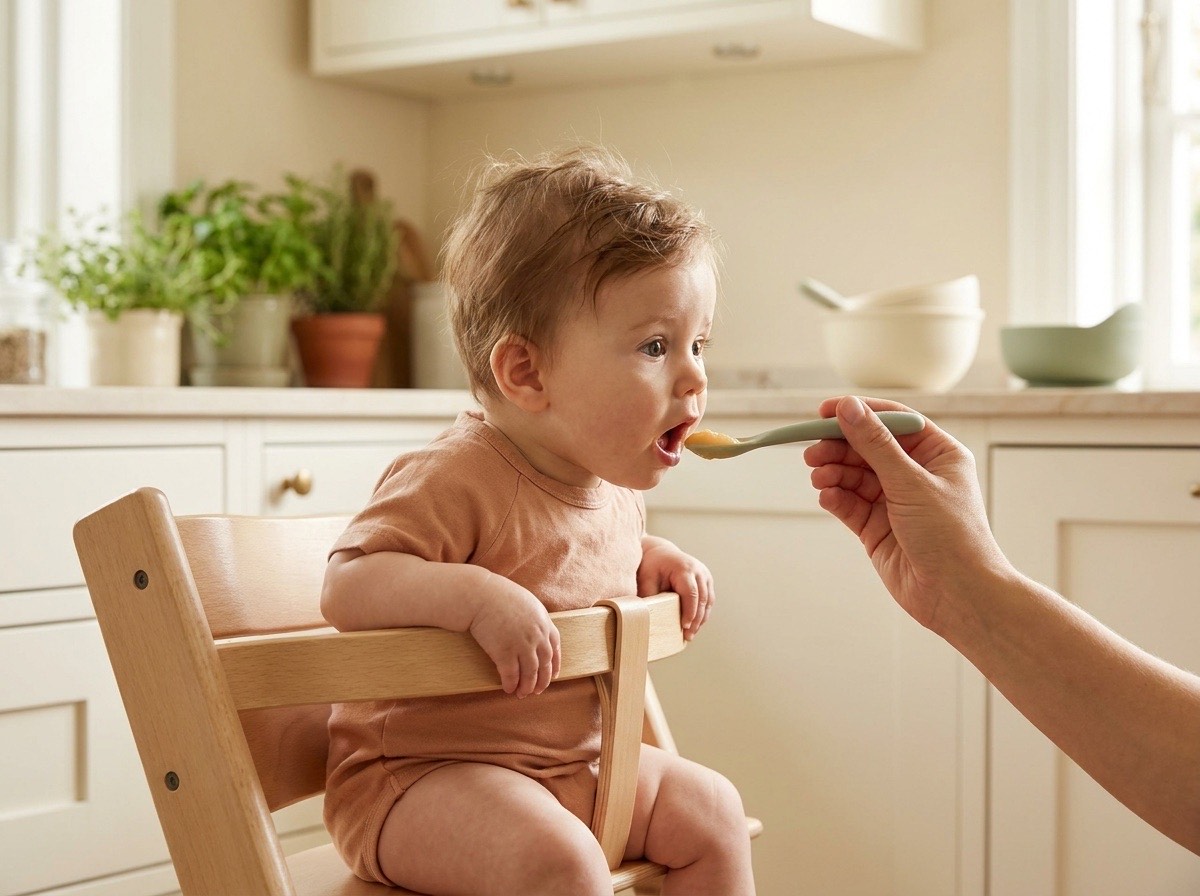
How to Prevent Choking Starting Solids Safely
Learn how to prevent choking starting solids with essential tips on readiness, food preparation, and creating a safe mealtime environment.
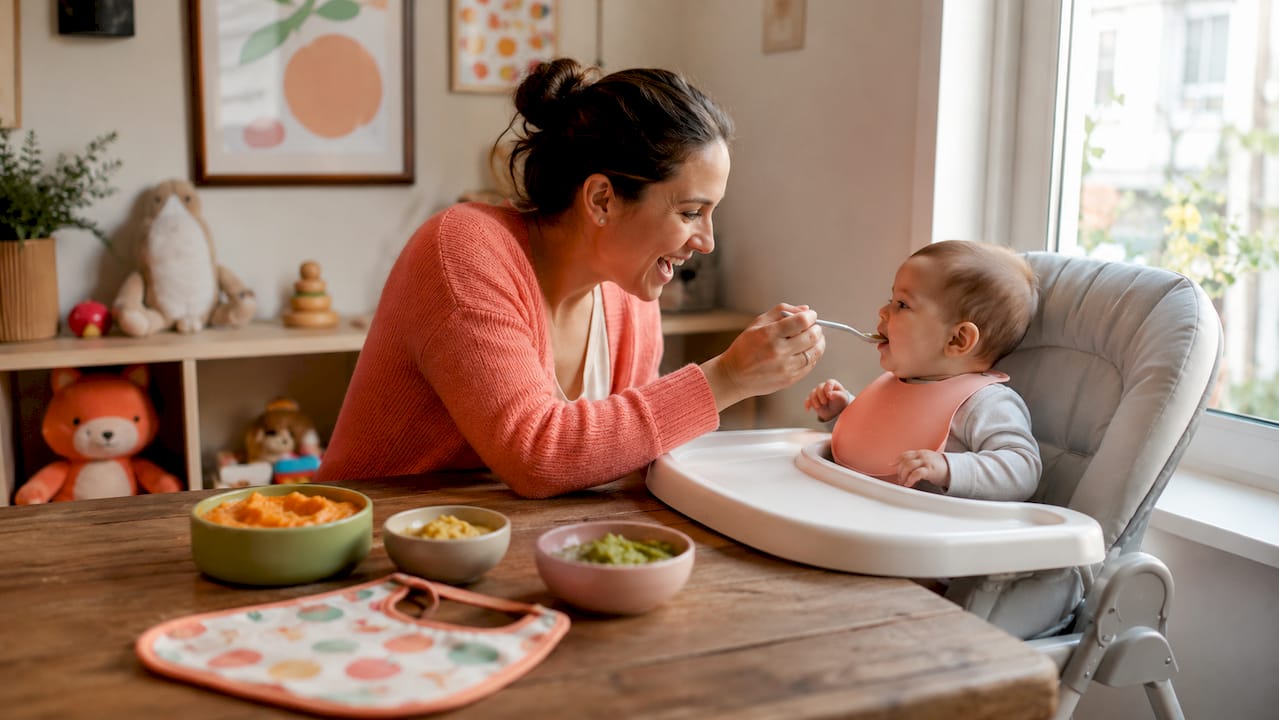
Preventing choking when starting solids means mastering three things at once: recognizing your baby’s developmental readiness, preparing foods in safe shapes and textures, and setting up a mealtime environment that supports safe swallowing. The clinical term for this practice is infant feeding safety, and it covers everything from how you cut a grape to where you position your baby’s feet. This guide gives you the practical framework to feed your baby with confidence, not fear.
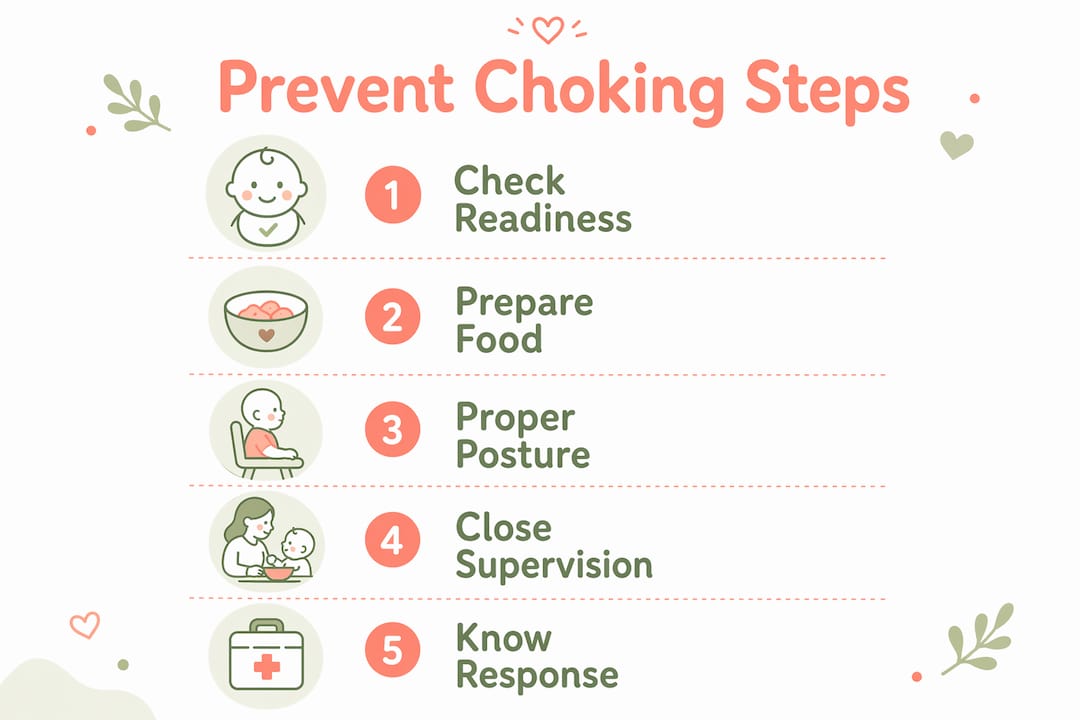
How to prevent choking starting solids: readiness signs
Your baby is physically ready for solids when specific developmental milestones are in place, not just when the calendar hits a certain date. Starting too early increases choking risk because the muscles and reflexes needed for safe swallowing are not yet mature. Starting too late can create feeding aversions and texture sensitivities that are harder to address later.
The CDC recommends starting solids around 6 months, introducing single-ingredient foods spaced 3–5 days apart. That spacing is not just about allergy monitoring. It also gives your baby time to practice each new texture before the next one arrives.
Watch for these readiness signs before you offer the first bite:
- Sits up with minimal support and holds their head steady without wobbling
- Shows interest in food by leaning forward, watching you eat, or reaching toward your plate
- Opens their mouth when food approaches and can move food from the front to the back of their tongue
- Shows fullness cues by turning their head away, closing their mouth, or pushing food back out
Fine motor skills matter too. A baby who can bring objects to their mouth with some control is better prepared for self-feeding than one who cannot yet coordinate hand-to-mouth movement. This coordination is a strong signal that the oral motor system is catching up as well.
Pro Tip: If your baby consistently pushes food out with their tongue rather than moving it backward, that is the tongue-thrust reflex still active. Wait one to two more weeks and try again.
What foods are safe and which are choking hazards for babies?
Food shape is the single most important safety variable when you start solids. Shape matters more than texture alone. A soft food in the wrong shape can block an airway just as effectively as a hard one.
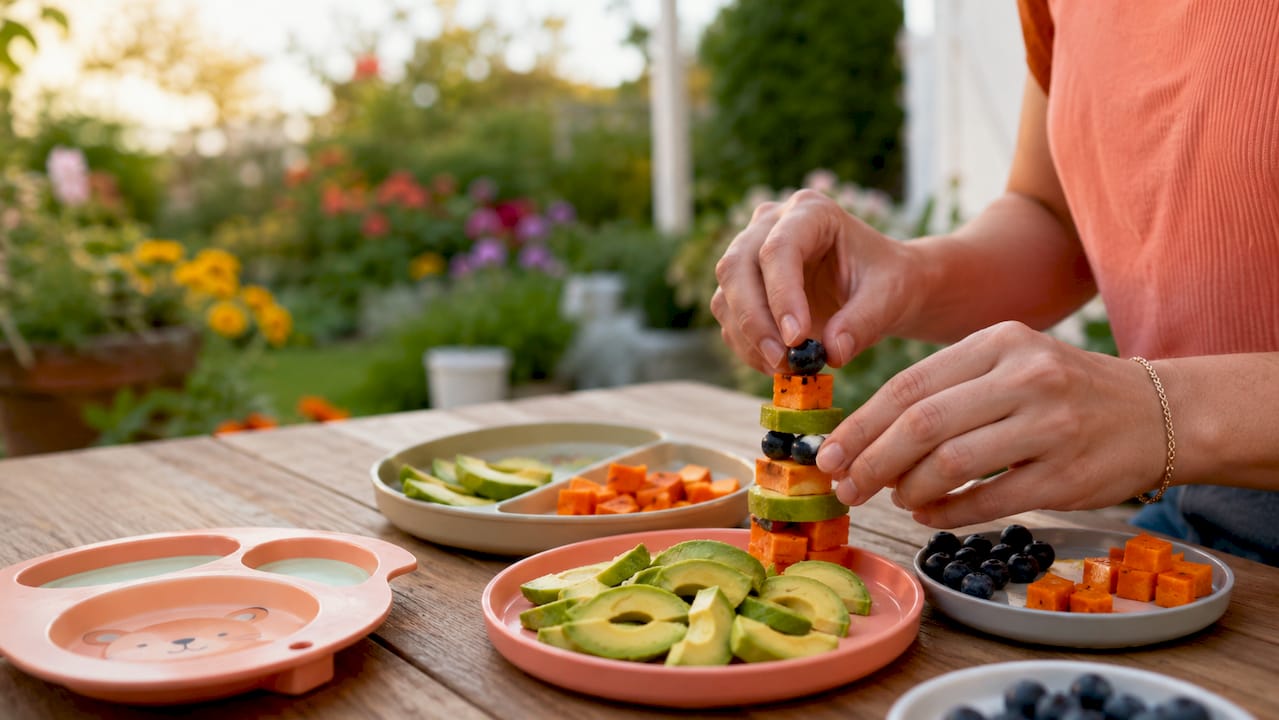
Foods to avoid for infants
These foods are high-risk choking hazards for babies under 12 months and should be kept off the table entirely:
- Whole grapes, cherry tomatoes, and blueberries
- Raw carrots, celery sticks, and apple slices
- Whole nuts, seeds, and nut butter served by the spoonful
- Popcorn, hard candies, and large chunks of meat
- Hot dogs or sausages cut into rounds (the round shape is the hazard)
How to prepare foods safely
The fix for most round foods is simple. Cut grapes and cherry tomatoes lengthwise into quarters rather than halves. That shape cannot form a seal against the airway the way a whole round food can. Apply the same logic to blueberries, olives, and any other small spherical food.
Texture progression follows a clear ramp. Think of smooth as a starting point, not a permanent destination. Here is a practical sequence:
- Stage 1 (around 6 months): Smooth purees with no lumps. Mashed banana, pureed sweet potato, iron-fortified single-grain cereal thinned with breast milk or formula.
- Stage 2 (around 7–8 months): Thicker purees with soft lumps. Mashed avocado, soft-cooked and mashed vegetables, yogurt with small fruit pieces.
- Stage 3 (around 9–10 months): Soft finger foods cut into small, manageable pieces. Soft-cooked pasta, ripe banana chunks, scrambled eggs, well-cooked broccoli florets.
- Stage 4 (around 10–12 months): More varied textures, including soft table foods the family eats. Introducing lumpy textures by 10 months supports feeding development and helps prevent selective eating later.
Food hygiene is part of solid food safety too. Reheat food to steaming hot (165°F/74°C) and never reheat the same portion more than once. Refrigerated baby food should be consumed within 24–48 hours. One often-overlooked hygiene risk: double-dipping a spoon back into a food jar transfers saliva and bacteria into the remaining food. Portion food into a separate bowl before feeding to avoid this entirely.
Pro Tip: Freeze leftover purees in an ice cube tray. Each cube is roughly one ounce, which makes portioning easy and eliminates the temptation to reheat the same jar multiple times.
Does mealtime posture really affect choking risk?
Posture is one of the most overlooked solid food safety tips, and it directly affects how safely your baby swallows. The 90-90-90 posture rule places hips, knees, and ankles each at 90-degree angles with feet supported on a footrest. That position activates core stability, which is the foundation of safe swallowing. Without it, your baby has to work harder to control food movement in their mouth.
Here is what a safe mealtime setup looks like in practice:
- Use a supportive highchair with an adjustable footrest. If the chair does not have one, roll up a small towel and place it under your baby’s feet.
- Always buckle the harness. A baby who slides or slumps loses the postural support needed for safe swallowing.
- Clear the tray and surrounding area of toys, utensils your baby is not using, and any small objects within reach.
- Sit directly across from your baby at eye level. This lets you monitor their face, color, and breathing without craning your neck.
- Remove screens and distractions from the feeding area. A distracted baby is more likely to laugh, cry, or move suddenly with food in their mouth.
Close adult supervision during every meal is non-negotiable. Do not step away to check your phone or stir something on the stove. If you need to leave the room, take your baby with you.
Gagging vs. choking: how do you tell the difference?
Gagging and choking look alarming, but they are completely different events requiring completely different responses. Confusing them is one of the most common mistakes parents make, and reacting to gagging as if it were choking can actually make things worse.
Babies are born with a protective gag reflex and a higher-positioned larynx that helps reduce choking risk during the learning-to-eat phase. Gagging is that reflex doing its job. It moves food forward and out of the throat before it becomes a problem.
Signs your baby is gagging (normal, no intervention needed):
- Coughing, sputtering, or retching sounds
- Red face, watery eyes, or a brief pause in breathing
- Food comes forward in the mouth or is expelled
- Baby recovers quickly and continues eating
Signs your baby is choking (act immediately):
- Silent, no coughing or crying
- Inability to make any sound or breathe
- Face turning blue or gray, especially around the lips
- Panicked expression, hands at throat
“Overly protective interventions during gagging can push food deeper into the airway. Observe calmly and avoid interference unless true choking occurs.” — Kids Feeding Wellness
Parents commonly mistake gagging for choking, which leads to unnecessary panic and interventions that can interfere with the baby’s natural protective response. The best thing you can do during a gagging episode is stay calm, keep your hands back, and let the reflex work.
All caregivers should complete infant choking first aid training before the first solid food meal. The American Red Cross and the American Heart Association both offer infant CPR and first aid courses, many of which are available online or in person in under four hours.
Pro Tip: Practice the infant back-blow and chest-thrust technique on a doll or pillow before you need it. Muscle memory under stress is far more reliable than trying to recall steps from memory in a panic.
Key takeaways
Safe infant feeding requires food preparation, proper posture, and calm supervision working together from the very first meal.
| Point | Details |
|---|---|
| Confirm readiness first | Start solids only when your baby sits with support, shows food interest, and has head control. |
| Shape beats texture | Cut round foods like grapes lengthwise into quarters to eliminate the airway-sealing risk. |
| Follow the 90-90-90 rule | Hips, knees, and ankles at 90 degrees with a footrest supports safe swallowing every meal. |
| Gagging is not choking | Stay calm during gagging; intervene only when your baby is silent and cannot breathe or cough. |
| Train before you need it | Complete infant CPR and first aid training before offering the first solid food. |
What i’ve learned from watching parents fear the gag
The fear of choking is the number one reason parents delay solids past the recommended window or stay stuck on purees far longer than their baby needs. I understand it completely. Watching your baby gag for the first time is genuinely frightening, especially when you have no frame of reference for what normal looks like.
But here is what I have observed over and over: the parents who struggle most are not the ones whose babies gag the most. They are the ones who react to every gag with a gasp, a lunge forward, or a finger sweep into the baby’s mouth. That reaction teaches the baby that eating is a stressful event. It also, as the research confirms, can push food deeper rather than helping.
The parents who move through this phase most smoothly are the ones who did the preparation work ahead of time. They took a first aid course. They learned the difference between gagging and choking before the first meal, not during it. They set up the highchair correctly and sat across from their baby with their hands in their lap. And when the gag happened, they took a breath and let it resolve.
Baby-led weaning does not increase choking risk compared to spoon-feeding when safety guidelines are followed. That finding matters because it tells us the method is less important than the setup and the knowledge behind it. Your baby just wants lunch. Your job is to make the environment safe enough for them to figure it out.
Smooth should be a ramp, not a residence. Move through purees with intention, introduce textures on schedule, and trust that a well-prepared baby in a well-set-up chair has more capability than fear gives them credit for.
Start solids with confidence using Yummystarts
Starting solids does not have to feel like defusing something. With the right tools, it becomes one of the most rewarding parts of early parenting.
Yummystarts is built specifically for this moment. The app gives you 392 expert-reviewed recipes organized by age and feeding stage, step-by-step serving instructions that show you exactly how to cut, cook, and serve each food safely, and real-time allergen tracking so nothing slips through. Licensed therapists and pediatric specialists reviewed every piece of guidance in the app. Over a million families have used Yummystarts to take the guesswork out of starting solids, and the structured meal planning means you always know what comes next. If you want a clear, confident path through the first foods phase, Yummystarts is where to start.
FAQ
When should i start solid foods for my baby?
The CDC recommends starting solid foods around 6 months, when most babies show developmental readiness signs like sitting with support and showing interest in food. Starting before 4 months significantly increases choking and aspiration risk.
What are the biggest choking hazards for babies?
Whole grapes, raw carrots, popcorn, whole nuts, and round-cut hot dogs are the highest-risk foods for infants. Cut round foods lengthwise into quarters and avoid hard, small, or sticky foods entirely until after 12 months.
How do i know if my baby is choking or just gagging?
A gagging baby makes noise, coughs, and recovers quickly. A choking baby is silent, cannot breathe or cry, and may turn blue around the lips. Stay calm during gagging and intervene immediately if your baby goes silent.
Does baby-led weaning increase choking risk?
Research from 2016 shows baby-led weaning does not increase choking risk compared to spoon-feeding when proper safety guidelines are followed. Food preparation and supervision matter more than the feeding method itself.
What posture is safest for feeding a baby solids?
The 90-90-90 rule places hips, knees, and ankles each at 90 degrees with feet supported on a footrest. This position activates core stability and supports safe swallowing by reducing the risk of aspiration.
Recommended

This article is for general educational purposes only and is not a substitute for professional medical advice, diagnosis, or treatment. Always consult your pediatrician or a qualified healthcare provider about your baby's diet, allergies and readiness for solids.