Meal Planning Solids Explained: A Parent's Guide
Discover meal planning solids explained in our essential guide for parents. Learn how to prepare and schedule your baby's first foods confidently!
Meal planning for solids is defined as the structured process of selecting, preparing, and scheduling age-appropriate foods for babies transitioning from breast milk or formula to solid eating. The American Academy of Pediatrics and the CDC both frame this transition as one of the most developmentally significant events in a baby’s first year. Getting it right means understanding not just what to feed, but when, how, and in what texture. This guide covers all of it, from spotting readiness signs to batch cooking and allergen introduction, so you can approach mealtimes with confidence instead of guesswork.
What is meal planning solids explained for new parents?
Solid food meal prep for babies is not about replacing milk. It is about layering new skills, flavors, and textures on top of an already solid nutritional foundation. The CDC confirms that breast milk or formula remains the primary calorie source through the first 12 months, even after solids begin. That single fact changes everything about how you plan meals.
Think of early solids as practice, not performance. Your baby is learning to move food around their mouth, coordinate swallowing, and recognize hunger and fullness cues. Calories are secondary. Exploration is the point. This mindset makes meal planning for babies far less stressful once you internalize it.
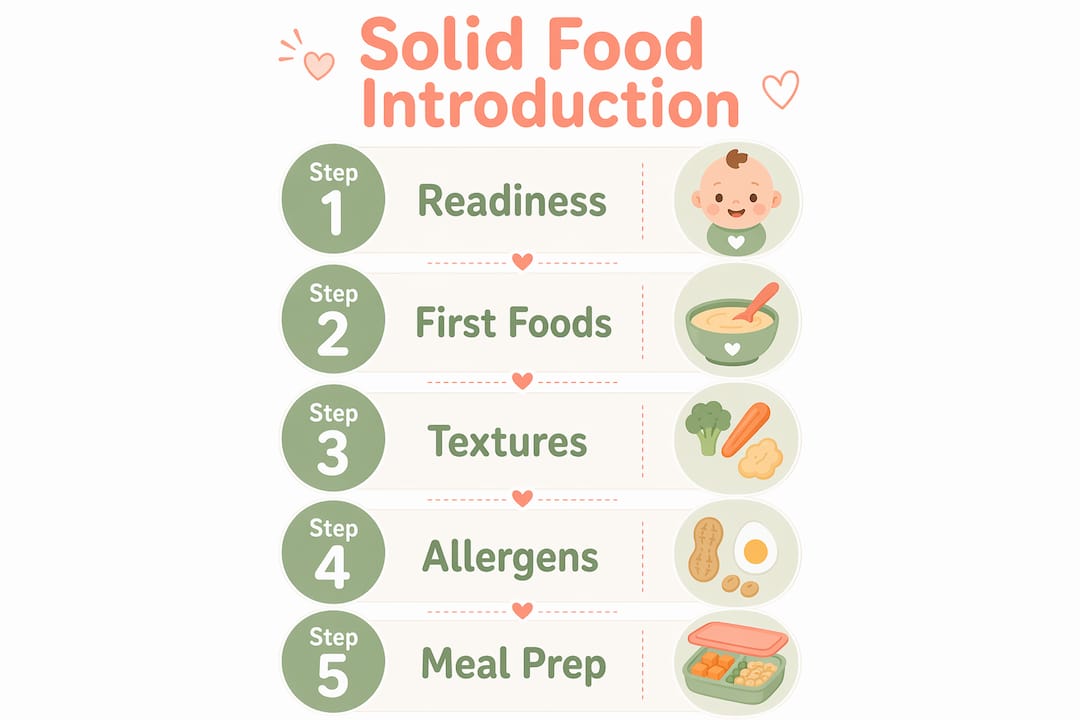
A structured approach to how to plan solid meals covers four pillars: timing (when to introduce), texture (what form food takes), variety (which foods to rotate), and safety (how to prepare and serve). Yummystarts organizes all four into a single system so parents are not piecing together advice from a dozen different sources.
How do you know when your baby is ready for solids?
Developmental readiness, not a calendar date, is the real signal. The CDC recommends around 6 months as the target window, but individual babies vary. Three physical signs indicate genuine readiness:
- Sitting upright with minimal support. Your baby needs to hold their head steady to swallow safely. If they are still flopping to one side, their airway is not in the right position for solid foods.
- Loss of the tongue-thrust reflex. Young infants automatically push objects out of their mouths with their tongue. When this reflex fades, food stays in rather than getting pushed back out.
- Showing interest in food. Reaching toward your plate, watching you eat intently, or opening their mouth when they see a spoon are all green lights.
Introducing solids before 4 months carries real risks, including choking, digestive strain, and a potential increase in allergy development. The gut lining is simply not ready. Waiting until all three readiness signs appear, rather than rushing at exactly 6 months, is the safer and more effective approach.
By 8–10 months, most babies eat 2–3 meals daily. By 10–12 months, the typical pattern shifts to 3 meals plus snacks. Planning around these milestones helps you build a realistic weekly schedule instead of reacting meal by meal.
Pro Tip: Offer solids 30–90 minutes after a milk feed. Your baby is curious but not frantic with hunger, which is the ideal window for exploring new foods without frustration.
How do food textures progress from 6 to 12 months?
Texture is the most underestimated variable in baby solids 101. Smooth should be a ramp, not a residence. You start there and keep moving.
Here is how the progression works in practice:
- 6 months: Single-ingredient smooth purees. Think sweet potato, pea, or avocado blended to a thin, lump-free consistency. Iron-rich options like pureed lentils or fortified oatmeal belong here from the start.
- 7–8 months: Mashed or minced textures with soft lumps. Fork-mashed banana, soft-cooked carrot, and ground chicken all work well. This stage builds chewing coordination even before teeth appear.
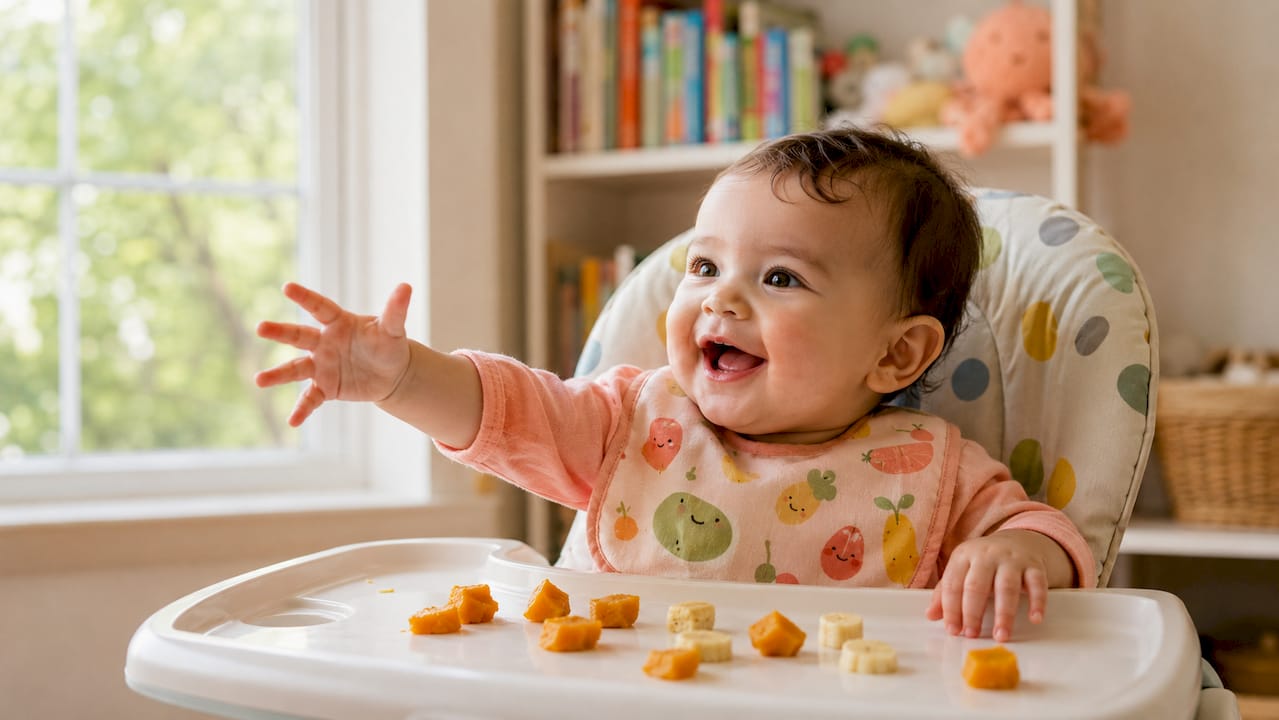
- 9–12 months: Soft finger foods cut into small, manageable pieces. Cooked pasta, soft-cooked broccoli florets, and small cubes of ripe pear are good examples.
The CDC is clear that high-risk foods like grapes and cherry tomatoes must be quartered lengthwise, and hard fruits need to be cooked fork-tender before serving. Whole grapes are one of the leading choking hazards for infants, and the shape is the problem, not just the size.
| Age | Texture | Example Foods |
|---|---|---|
| 6 months | Smooth puree | Pureed lentils, sweet potato, avocado |
| 7–8 months | Mashed or minced | Fork-mashed banana, ground chicken, soft carrot |
| 9–12 months | Soft finger foods | Cooked pasta, ripe pear cubes, soft broccoli |
Pro Tip: Gagging is normal and different from choking. Gagging is loud and involves facial movement. Choking is silent. Knowing the difference helps you stay calm and respond correctly.
What are the best meal prep strategies for caregivers?
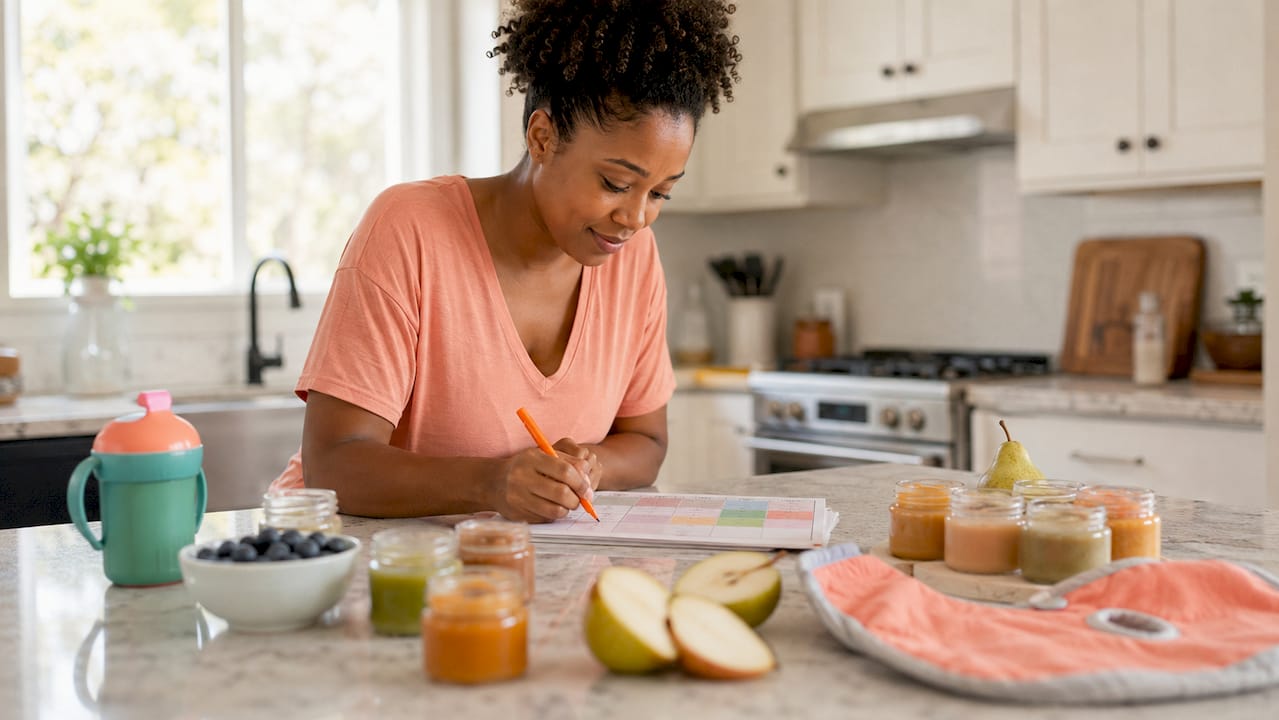
Batch cooking is the single most practical tool in solid food meal prep. Done well, it reduces daily prep time from 45–60 minutes to just 5–10 minutes of plating per day. That is not a small difference when you are also managing sleep deprivation and a full household.
A reliable weekly batch plan covers:
- 2 proteins: Chicken, lentils, salmon, or soft-cooked egg yolk
- 3 vegetables: Sweet potato, zucchini, peas, or butternut squash
- 1 grain: Oatmeal, quinoa, or soft-cooked rice
- 1 fruit: Pear, mango, or banana
Roast vegetables in the oven while steaming proteins on the stovetop simultaneously. This parallel cooking approach cuts your total prep session to under an hour. Portion everything into silicone ice cube trays, freeze, then transfer to labeled bags.
A freezer inventory system with the date and contents on every bag prevents the mystery-cube problem, where you cannot tell if that orange cube is sweet potato or butternut squash from three weeks ago. Label everything before it goes in.
Baby-led weaning vs. spoon-feeding vs. combination
| Method | How It Works | Best For |
|---|---|---|
| Baby-led weaning (BLW) | Baby self-feeds soft finger foods from the start | Babies with strong sitting and grip skills |
| Spoon-feeding | Caregiver offers purees on a spoon | Babies newer to solids or with lower motor readiness |
| Combination approach | Mix of both, rotating by meal or day | Most families; builds flexibility and varied skills |
The combination approach is what most pediatric feeding specialists recommend because it exposes babies to both textures and self-feeding skills without locking into one method. You can batch cook for healthier meals using the same ingredients regardless of which method you use on a given day.
How do you introduce allergens and manage nutrition safely?
Early allergen introduction is now the standard recommendation, not the exception. The CDC confirms that introducing common allergens like eggs, peanuts, and dairy early may actually reduce allergy risk. There is no required order. Variety and early exposure matter more than sequence.
Practical allergen introduction looks like this:
- Introduce one new allergen at a time, with 2–3 days between each new food
- Offer the new food earlier in the day so you can watch for reactions during waking hours
- Common allergens to work through: cow’s milk products, eggs, peanut products, tree nuts, wheat, soy, fish, and shellfish
- A mild rash around the mouth is common and often not allergic. Hives, swelling, or breathing changes require immediate medical attention.
Nutrition priorities during this stage are straightforward. Breast milk or formula provides the majority of calories through the first year. Solids add iron, zinc, and exposure to diverse flavors, but they do not replace milk feeds until after 12 months. Iron-rich foods like pureed meat, lentils, and iron-fortified cereals deserve a spot in your weekly rotation from the very beginning.
A calm feeding environment matters as much as the food itself. Turn off screens, sit together, and let your baby set the pace. Babies who eat without distraction learn to recognize their own fullness cues more reliably, which builds healthy eating habits that last well beyond infancy.
Pro Tip: Try the “deconstructed dinner” method: serve each component of a meal separately rather than mixed together. It helps you spot allergen reactions more easily and lets your baby explore each texture on its own terms.
Key takeaways
Successful meal planning for solids rests on three things: matching textures to developmental stage, introducing allergens early and consistently, and keeping breast milk or formula as the nutritional anchor through the first year.
| Point | Details |
|---|---|
| Readiness over age | Wait for sitting, head control, and loss of tongue-thrust before starting solids. |
| Texture is a progression | Move from smooth purees at 6 months to soft finger foods by 9–12 months without skipping stages. |
| Batch cook weekly | Prep 2 proteins, 3 vegetables, 1 grain, and 1 fruit each week to cut daily prep to under 10 minutes. |
| Introduce allergens early | Offer eggs, peanuts, and dairy one at a time starting around 6 months to reduce allergy risk. |
| Milk stays primary | Breast milk or formula remains the main calorie source through 12 months, even as solids expand. |
What i have learned after watching thousands of families start solids
Most parents walk into this stage thinking the goal is to get food into the baby. That framing creates unnecessary pressure. The real goal in the first few months of solids is exposure, not consumption. Some days your baby will eat enthusiastically. Other days they will smear avocado on the tray and look at you like you have lost your mind. Both are normal.
The “deconstructed dinner” method changed how I think about meal planning for infants. Instead of mixing everything into one bowl, you put the grain in one spot, the protein in another, and the vegetable in a third. It looks simple, but it does two things at once: it makes allergen tracking cleaner, and it gives the baby agency over what they touch and taste first. That sense of control matters more than most parents realize.
Timing is the other thing people underestimate. Offering solids when a baby is too hungry leads to frustration. Offering them right after a full milk feed means they have no interest. The 30–90 minute window after a milk feed is genuinely the sweet spot, and once you find your baby’s rhythm within that range, mealtimes get noticeably easier.
One more thing: do not let the internet convince you that you have to choose a side in the baby-led weaning versus spoon-feeding debate. Most families do both, depending on the day, the food, and the baby’s mood. Your baby just wants lunch. Give yourself permission to be flexible.
Start solids with confidence using Yummystarts
Knowing the principles is one thing. Having a system that applies them for your specific baby is another.
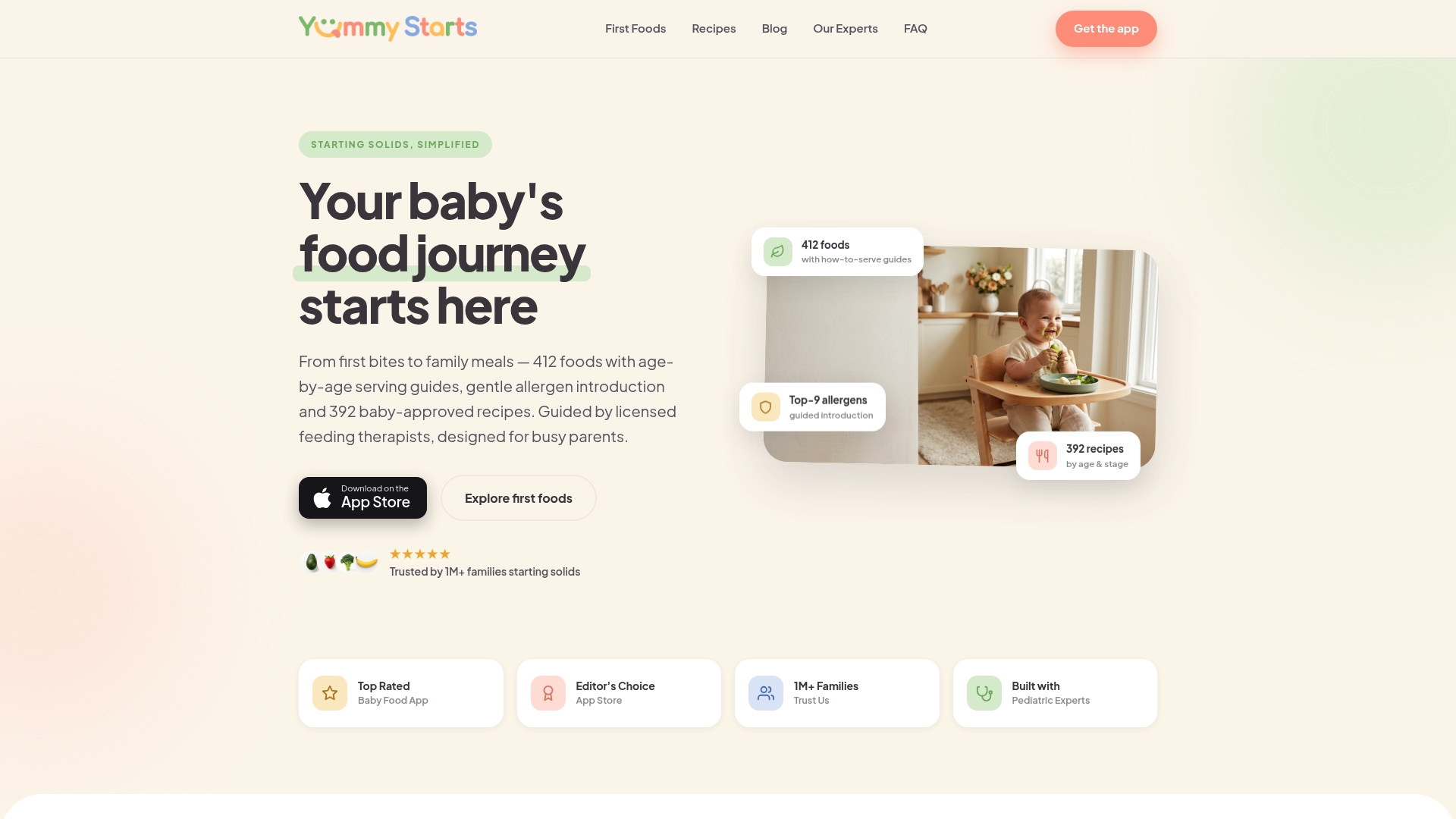
Yummystarts is built for exactly this moment. The app gives you access to 392 recipes organized by age and feeding stage, step-by-step texture guidance, and real-time allergen tracking, all reviewed by licensed therapists and pediatric specialists. Over a million families have used Yummystarts to turn the chaos of starting solids into something that actually feels manageable. If you are ready to stop piecing together advice and start following a plan built for your baby, explore Yummystarts and see what structured, expert-backed solid food guidance looks like in practice.
FAQ
When should i start meal planning for my baby’s solids?
Start planning around 5 months so you are ready when readiness signs appear at approximately 6 months. The CDC recommends watching for sitting ability, head control, and loss of the tongue-thrust reflex rather than relying on age alone.
How many meals a day does a baby need when starting solids?
Most babies start with one meal per day at 6 months and build to 2–3 meals daily by 8–10 months. By 10–12 months, the typical pattern is 3 meals plus snacks, with breast milk or formula still offered between meals.
Do i need to introduce foods in a specific order?
No rigid food order is required. The CDC and pediatric specialists encourage variety and early allergen introduction over following a strict sequence. Iron-rich foods like pureed meat and lentils are worth prioritizing early, but beyond that, diversity matters more than order.
What is the safest way to prepare finger foods for babies?
Cook hard fruits and vegetables until fork-tender, and cut round foods like grapes and cherry tomatoes into quarters lengthwise. Soft finger foods should be the size of a pea or small enough to dissolve easily if swallowed without full chewing.
How long can i store homemade baby food in the freezer?
Homemade baby food stored in airtight containers keeps well for up to one month in the freezer. Label every portion with the date and contents to avoid confusion and reduce waste during your weekly meal prep routine.
Recommended

This article is for general educational purposes only and is not a substitute for professional medical advice, diagnosis, or treatment. Always consult your pediatrician or a qualified healthcare provider about your baby's diet, allergies and readiness for solids.