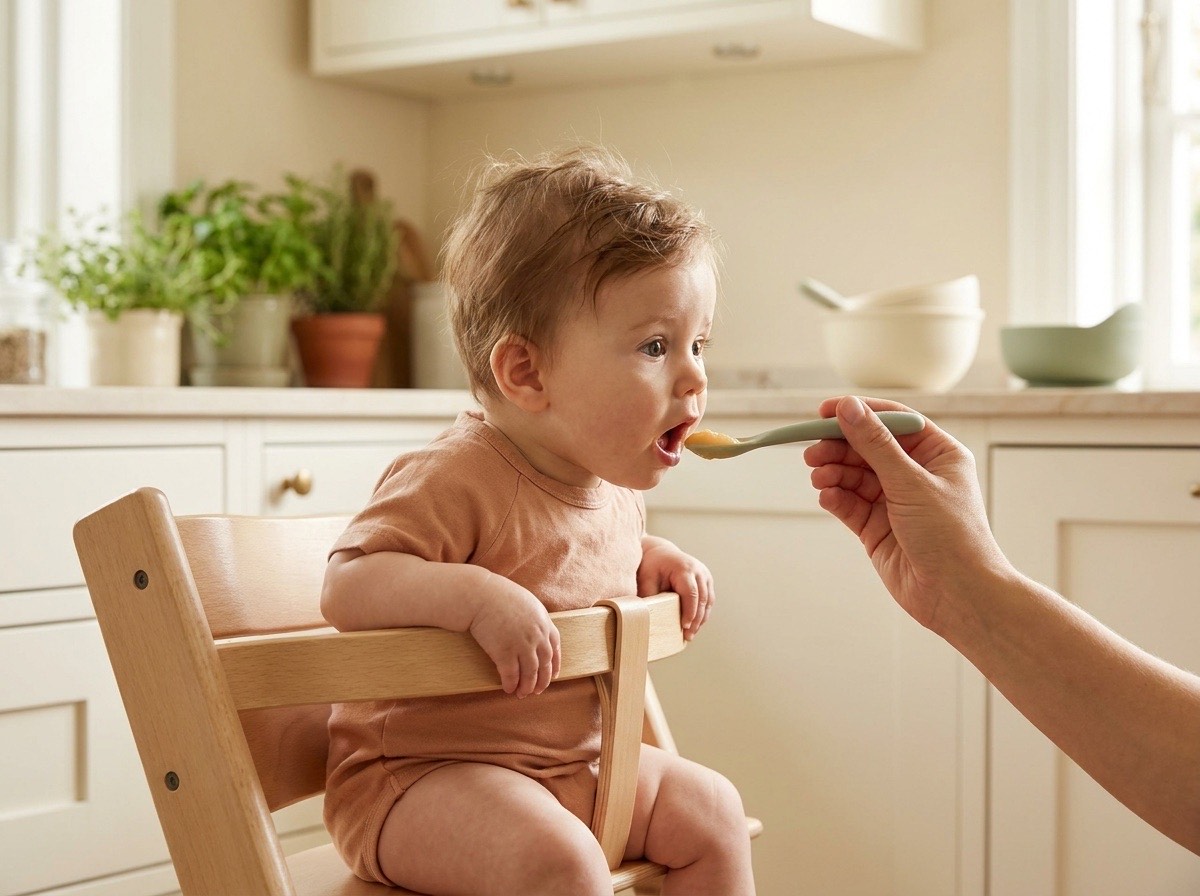
High-Risk Allergen Foods List for Parents: 2026 Guide
Discover the essential high-risk allergen foods list for parents in 2026. Understand the Big 9 allergens to safeguard your child's health!

The high-risk allergen foods list every parent needs is the US FDA’s “Big 9,” a group of nine foods that cause approximately 90% of all food allergic reactions in the United States. These are milk, eggs, peanuts, tree nuts, wheat, soy, fish, crustacean shellfish, and sesame. About 1 in 13 children in the US lives with a food allergy, making this knowledge genuinely urgent for caregivers. The good news is that understanding these foods and when to introduce them gives you real power to reduce your child’s risk.
1. the complete high-risk allergen foods list: the big 9
The Big 9 are the foundation of any food allergy risk list for children in the US. Each allergen has distinct characteristics, common hiding spots in everyday foods, and different patterns of severity.
- Milk: The most common allergen in infants. Found in cheese, butter, yogurt, cream, and many baked goods. Distinct from lactose intolerance, which is a digestive issue, not an immune response.
- Eggs: Particularly the egg white proteins trigger most reactions. Found in pasta, mayonnaise, baked goods, and many processed foods. One of the allergies often outgrown by school age.
- Peanuts: A legume, not a tree nut, but one of the most severe and persistent allergens. Found in peanut butter, mixed nuts, some Asian sauces, and many candies.
- Tree nuts: Includes almonds, cashews, walnuts, pecans, pistachios, and more. Each tree nut is technically a separate allergen, but cross-reactivity is common. Found in granola, pesto, trail mix, and baked goods.
- Wheat: Contains gluten, but a wheat allergy is an immune response, not celiac disease. Found in bread, pasta, cereals, crackers, and many soups.
- Soy: A common ingredient in processed foods, infant formulas, and Asian cuisines. Found in tofu, edamame, soy sauce, and many packaged snacks.
- Fish: Finfish like salmon, tuna, cod, and tilapia. Reactions can be severe and tend to persist lifelong. Cross-contamination in restaurants is a real concern.
- Crustacean shellfish: Shrimp, crab, lobster, and crayfish. Among the most common causes of severe anaphylaxis in adults and older children.
- Sesame: Added to the federal list in 2023 under the FASTER Act. Found in tahini, hummus, many breads, and Asian dishes. Sesame labeling is now required on all US packaged foods.
Pro Tip: Always check the “Contains” statement on food labels, but also scan the full ingredient list. Sesame, in particular, hides under names like “benne seeds,” “gingelly oil,” and “til.”
2. how US allergen rules compare to international lists
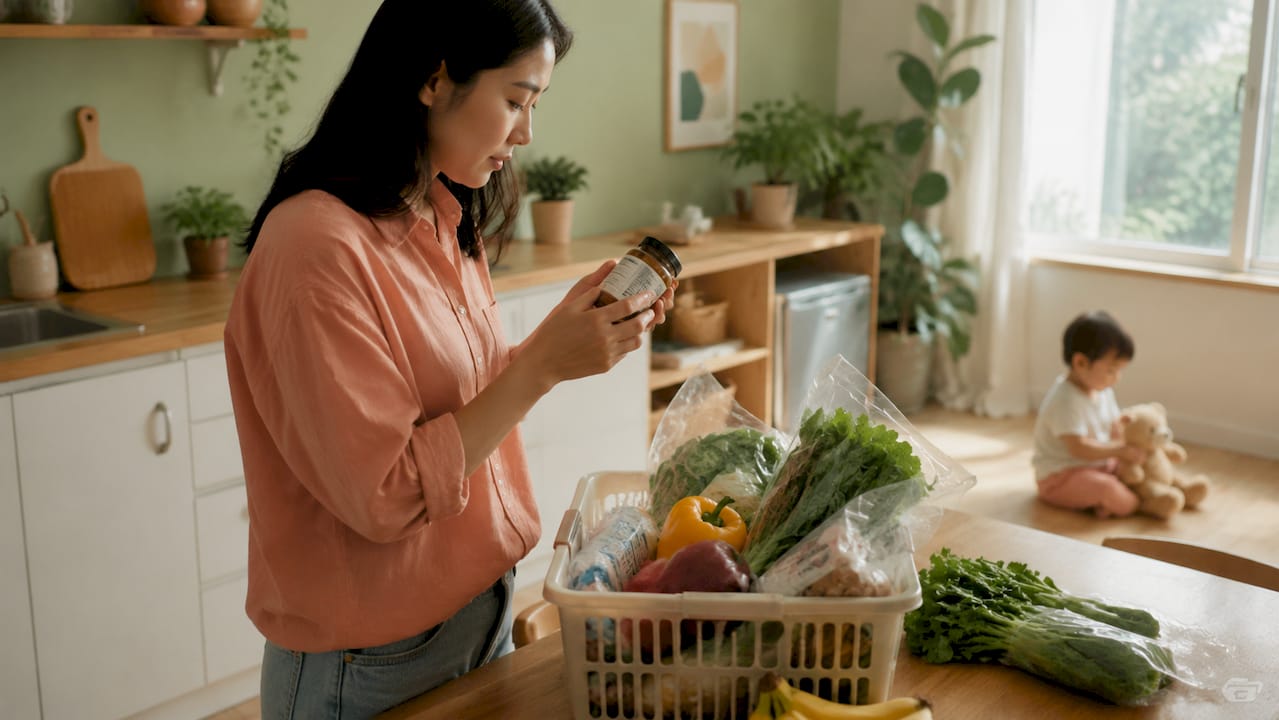
The US Big 9 is a regulatory tool for labeling, not a complete clinical list of every possible allergen. Other countries recognize more. Canada and Australia list 14–21 priority allergens requiring clear labeling, which matters if you buy imported foods or travel.
| Allergen | US Big 9 | Canada (14) | EU/Australia (14+) |
|---|---|---|---|
| Milk | ✓ | ✓ | ✓ |
| Eggs | ✓ | ✓ | ✓ |
| Peanuts | ✓ | ✓ | ✓ |
| Tree nuts | ✓ | ✓ | ✓ |
| Wheat/Gluten | ✓ | ✓ | ✓ |
| Soy | ✓ | ✓ | ✓ |
| Fish | ✓ | ✓ | ✓ |
| Shellfish | ✓ | ✓ | ✓ |
| Sesame | ✓ | ✓ | ✓ |
| Mustard | ✗ | ✓ | ✓ |
| Celery | ✗ | ✗ | ✓ |
| Lupin | ✗ | ✗ | ✓ |
| Sulphites | ✗ | ✓ | ✓ |
| Mollusks | ✗ | ✓ | ✓ |
This gap matters for parents who buy imported snacks, specialty foods, or travel abroad. A product from Europe may contain lupin flour, a legume that cross-reacts with peanuts in some children, without any warning required on a US label. When shopping at international grocery stores, treat the ingredient list as your primary safety tool, not just the “Contains” statement.
3. key risk factors for food allergies in infants
No single cause explains why one child develops a food allergy and another does not. A meta-analysis covering 2.8 million participants identified over 300 contributing risk factors, which confirms that food allergy development is genuinely complex. That said, several factors stand out as high-certainty risks.
- Eczema: Infants with eczema have 3.38 to 4 times higher allergy risk than those without. Eczema disrupts the skin barrier, allowing food proteins to sensitize the immune system through skin contact before the child ever eats the food.
- Family history: A parent or sibling with a food allergy raises your child’s baseline risk. This does not make allergy inevitable, but it does make early, supervised introduction more important.
- Delayed food introduction: Waiting too long to introduce allergenic foods is now a confirmed risk factor, not a protective strategy. Infants introduced to peanuts after 12 months were 2.55 times more likely to develop a peanut allergy.
- Antibiotic exposure in infancy: Early antibiotic use alters the gut microbiome during a critical window of immune development. This is a modifiable factor worth discussing with your pediatrician.
- Geographic and environmental factors: Children raised in highly sanitized environments with limited microbial diversity show higher allergy rates. This is part of the “hygiene hypothesis” that researchers continue to study.
Pro Tip: If your baby has eczema, talk to your pediatrician or a pediatric allergist before introducing peanuts or tree nuts at home. A supervised introduction plan is the safest path forward.
4. how to safely introduce high-allergy foods to your baby
Safe introduction of common allergenic foods is one of the most protective things you can do for your child. Current clinical guidance supports early introduction between 4–6 months for most infants, particularly those at higher risk.
Step 1: get medical clearance first
If your baby has moderate to severe eczema or a known egg allergy, consult your pediatrician before starting allergen introduction at home. For low-risk infants, your doctor will likely encourage you to proceed confidently.
Step 2: introduce one allergen at a time
Introduce a single new allergen every 3–5 days. This window lets you identify the source of any reaction clearly. Do not introduce two new high allergy foods on the same day.
Step 3: start small and observe
Begin with a small amount, such as a tiny smear of peanut butter thinned with water or breast milk. Watch your baby for 15–30 minutes after the first exposure. Signs of a reaction include hives, swelling around the mouth, vomiting, or difficulty breathing.
Step 4: build frequency
Once your baby tolerates a food without a reaction, keep offering it regularly, ideally two to three times per week. Regular exposure helps maintain tolerance. Stopping after a successful introduction can actually allow sensitivity to develop.
Step 5: keep a simple log
Write down what you introduced, how much, and any observations. This record becomes invaluable if you ever need to consult an allergist. The safe food introduction guide from Yummy Bites app walks you through this process step by step.
Pro Tip: Introduce new allergens in the morning, not at dinner. Morning introductions give you the full day to monitor your baby and reach your pediatrician if needed.
5. label reading and safe alternatives for multiple allergies
About 40% of allergic children have multiple food allergies, which makes label reading a daily skill, not a one-time lesson. The Food Allergen Labeling and Consumer Protection Act (FALCPA) requires manufacturers to declare the Big 9 allergens clearly on US packaged food labels, either in the ingredient list or in a separate “Contains” statement.
Watch for these common label pitfalls:
- “May contain” warnings are voluntary. They signal cross-contamination risk in the facility, not a guaranteed presence of the allergen. For highly sensitive children, treat these warnings seriously.
- Natural flavors and spices can hide allergens. Sesame oil, for example, may appear under “natural flavors” on older labels.
- Shared equipment warnings differ from shared facility warnings. Shared equipment carries a higher contamination risk.
When your child must avoid one or more of the Big 9, nutrition gaps are a real concern. Here are practical substitutes:
- Milk alternatives: Oat milk, coconut milk, or pea protein milk for calcium and fat. Always choose fortified versions.
- Egg alternatives in baking: Flaxseed meal mixed with water, unsweetened applesauce, or mashed banana work well as binders.
- Wheat alternatives: Rice flour, oat flour (certified gluten-free), or cassava flour for baking and cooking.
- Peanut butter alternatives: Sunflower seed butter or pumpkin seed butter provide similar fat and protein profiles.
For recipe ideas built around allergen-free ingredients, the foods library at Yummy Bites app offers options organized by allergen and age stage. You can also find healthy snack ideas that work well for allergen-aware families.
Key takeaways
The most protective step a caregiver can take is introducing the Big 9 allergens early, one at a time, with consistent follow-up exposures to build and maintain tolerance.
| Point | Details |
|---|---|
| Know the Big 9 | Milk, eggs, peanuts, tree nuts, wheat, soy, fish, shellfish, and sesame cause 90% of US food allergic reactions. |
| Early introduction reduces risk | Infants introduced to peanuts after 12 months are 2.55 times more likely to develop a peanut allergy. |
| Eczema raises the stakes | Babies with eczema have up to 4 times higher allergy risk and need supervised allergen introduction. |
| Read beyond “Contains” | Scan the full ingredient list for hidden allergens, especially sesame, which hides under multiple names. |
| Multiple allergies need nutrition planning | 40% of allergic children have more than one allergy, making safe substitutes and label skills non-negotiable. |
The part most parents get wrong about allergen introduction
After years of working with parents navigating first foods, the pattern I see most often is not recklessness. It is overcaution. Parents who delay allergen introduction because they are afraid of causing a reaction are, without realizing it, increasing the very risk they are trying to avoid. The science on this has shifted dramatically in the past decade, and the old advice to “wait and see” has been replaced by evidence that early, repeated exposure is protective.
What I find genuinely reassuring is the actual incidence data. Food allergy in children under 6 sits at about 4.7%. That is real, and it deserves respect. But it also means the vast majority of babies will tolerate these foods without any problem. Fear should not drive the timeline. Your child’s individual risk profile should.
The families I see thrive are the ones who treat allergen introduction as a normal part of feeding, not a medical event. They start small, stay consistent, and keep records. They also know when to ask for help, which is always the right call when eczema or a strong family history is in the picture. Confidence comes from having a plan, not from hoping for the best.
Start allergen introduction with confidence using yummy starts app
Knowing the list is one thing. Having a plan for each food, each week, for your specific baby is another.
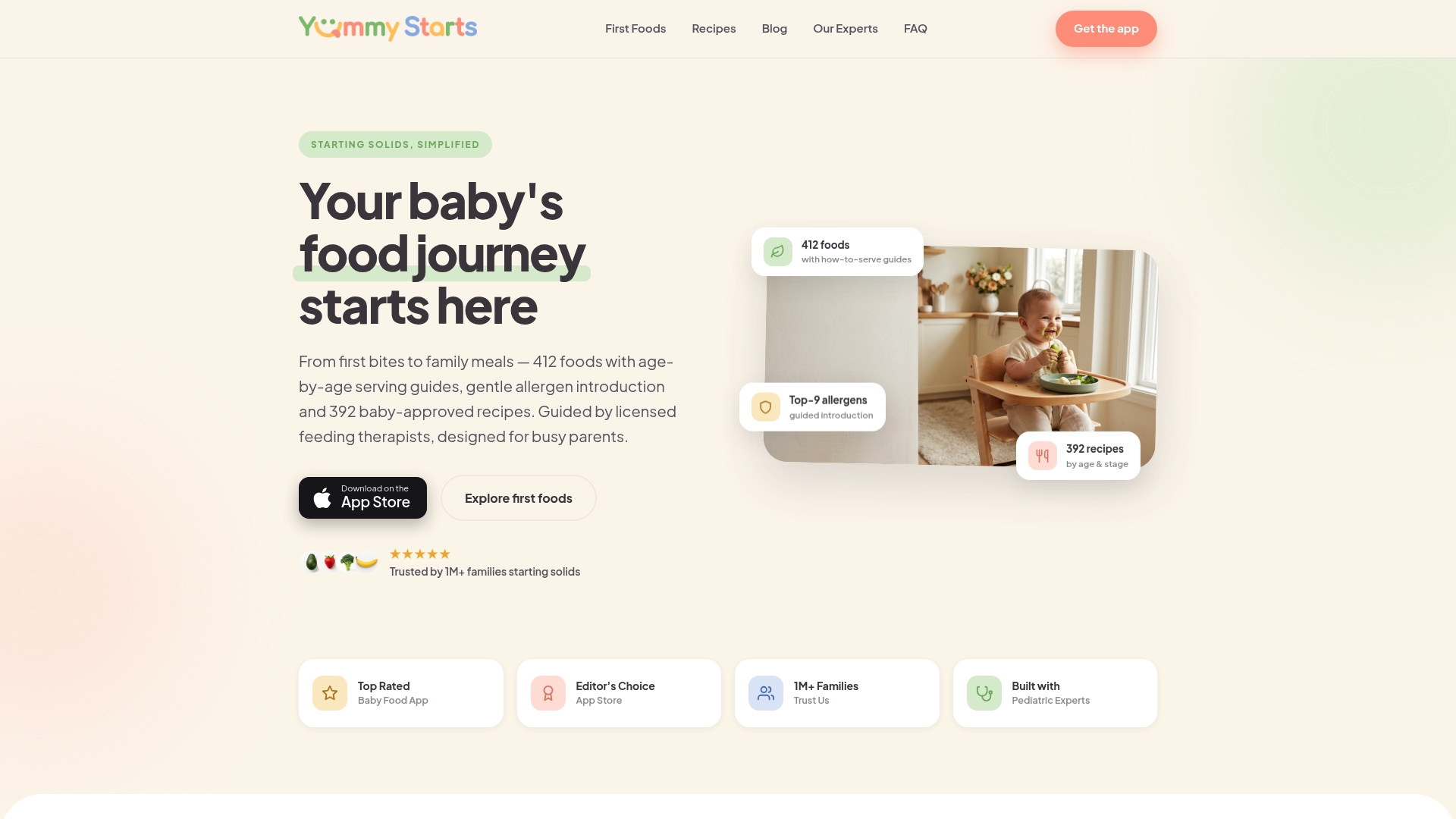
Yummy Bites app supports over a million families through the starting solids stage with 392 recipes, real-time allergen tracking, and guidance from licensed pediatric specialists. Every recipe in the app is tagged by allergen, age stage, and texture, so you always know exactly what you are serving and why. Whether you are introducing peanuts for the first time or managing three simultaneous allergies, the baby meal planner and first foods resources at Yummy Bites app give you a clear, personalized path forward. Your baby just wants lunch. Yummy Bites app helps you serve it safely.
FAQ
What foods are on the high-risk allergen foods list in the US?
The US FDA recognizes nine major allergens: milk, eggs, peanuts, tree nuts, wheat, soy, fish, crustacean shellfish, and sesame. These nine foods cause approximately 90% of all food allergic reactions in the US.
When should i introduce allergenic foods to my baby?
Current clinical guidance recommends introducing allergenic foods between 4–6 months for most infants. Delaying introduction, especially of peanuts, significantly increases the risk of developing an allergy.
How do i know if my baby is having an allergic reaction?
Signs of a food allergic reaction include hives, swelling around the mouth or eyes, vomiting, and difficulty breathing. Mild reactions like a small rash around the mouth can occur without indicating a true allergy, but any breathing difficulty requires immediate emergency care.
Can my child outgrow a food allergy?
Some food allergies, including milk, egg, wheat, and soy, are often outgrown by school age. Peanut, tree nut, and shellfish allergies tend to be lifelong, though a small percentage of children do outgrow peanut allergy with medical supervision.
Do i need to worry about allergens on imported food labels?
Yes. Countries like Canada and Australia require labeling for up to 14–21 allergens, including mustard, lupin, and sulphites, which are not required on US labels. Always read the full ingredient list on imported products, not just the “Contains” statement.
Recommended

This article is for general educational purposes only and is not a substitute for professional medical advice, diagnosis, or treatment. Always consult your pediatrician or a qualified healthcare provider about your baby's diet, allergies and readiness for solids.